Science
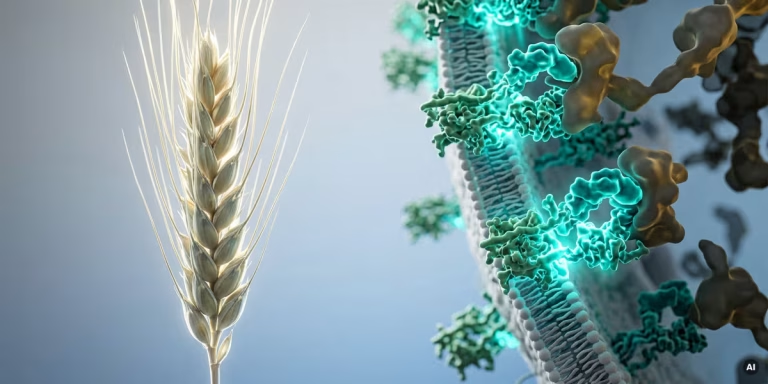
Engineered Plant Receptors Could Help Cereals Resist Blast Fungus
Researchers at the John Innes Centre have shown how a recently found class of plant immune receptors spots blast fungus, and how to modify them to detect more than one threat.
Researchers at the John Innes Centre have shown how a recently found class of plant immune receptors spots blast fungus, and how to modify them to detect more than one threat.
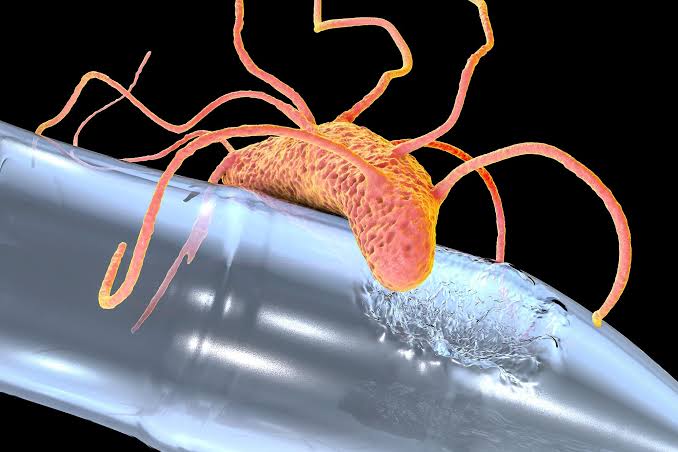
A new bacterial enzyme from forest soil can break down plant-oil bioplastics and also cleave penicillin in lab tests. The finding hints at a link between plastic digestion and antibiotic resistance.

A survey of 1,904 people presented in Vienna links drugs such as Ozempic and Wegovy to nail detachment and hair loss. Researchers say it cannot prove the drugs are the cause.

A millisecond flash of radio waves from when the universe was about 3 billion years old is the most distant fast radio burst found. Webb located its faint home galaxy.

Cornell researchers traced the condition in two brothers, Gary and Shaggy, to two altered copies of the FBN1 gene. The variant only partly disabled the gene, which may explain why they survived to adulthood.
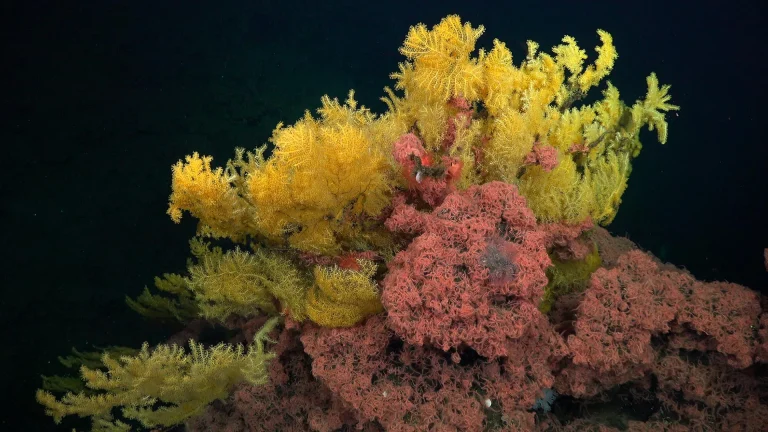
Researchers surveying seamounts off Costa Rica found a yellow, tree-like coral unlike any known group. They named a new species, genus and family for it.
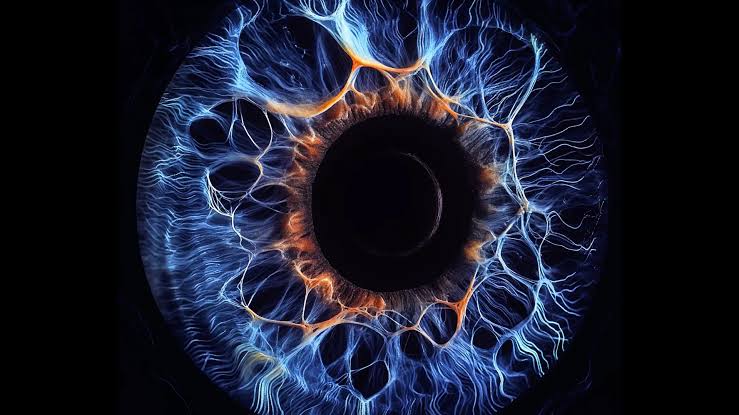
Researchers at UBC and the University of Toronto report a lymphatic pathway behind the retina in mice. It challenges a century-old belief and may inform research on glaucoma and macular degeneration.
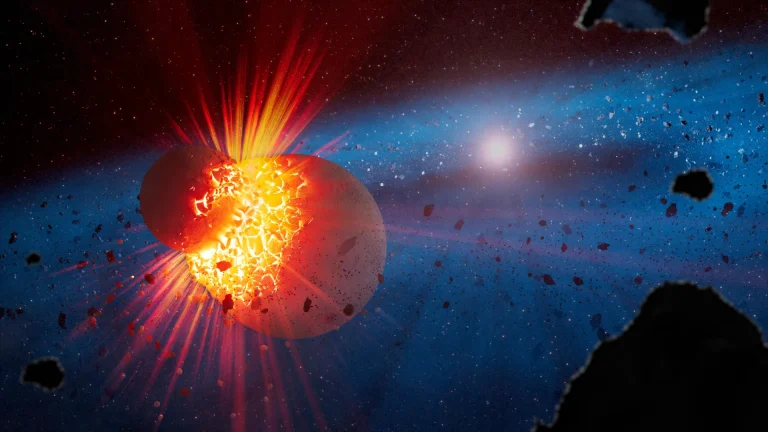
Astronomers studied 21 rare “extreme debris disks” with the James Webb Space Telescope. Dust chemistry suggests about a third come from Mars-sized impacts.

A rocky planet 154 light-years away orbits its star in a day, yet the James Webb Space Telescope has found strong evidence that it holds an atmosphere.
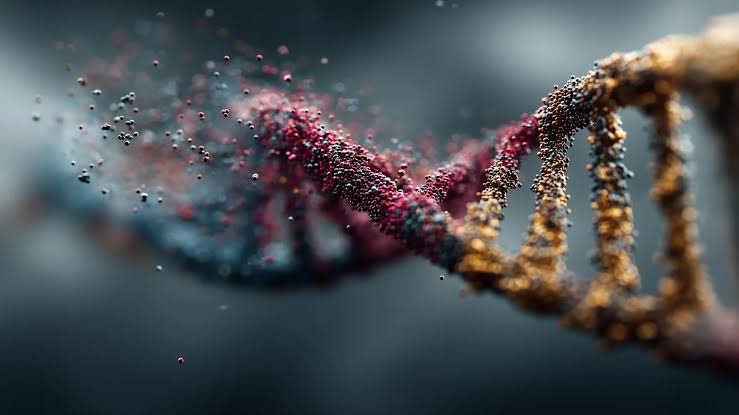
A single-cell sequencing test turned up a ciliate in an Oxford pond that reads two gene-ending codons as amino acids. Researchers call the combination previously unreported.