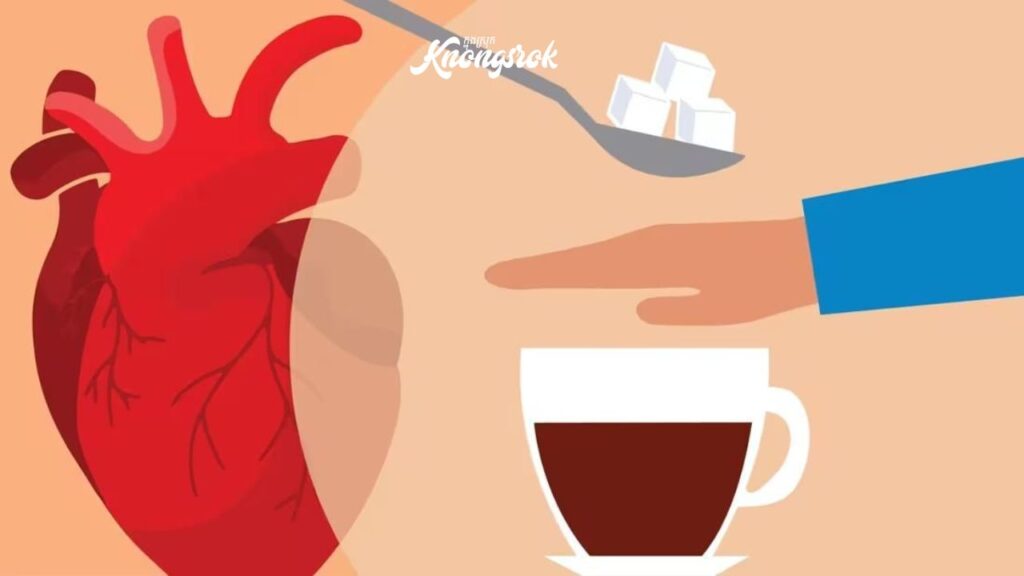
Drinking Sugary Drinks: One Can Per Day Can Increase the Risk of Death from Heart Disease by Up to 31%
In today’s fast-paced world, sugary drinks like sodas, energy drinks, and sweetened juices have become a common part of many people’s daily routines. However, emerging research highlights a concerning link between regular consumption of these beverages and serious health risks, particularly cardiovascular disease. According to studies, drinking even one sugary drink per day may elevate the risk of premature death from heart-related issues, with risks climbing as high as 31% for higher intake levels. This article explores the science behind this claim, its implications, and steps to mitigate the risks.
1. Understanding the Research
A landmark study from Harvard T.H. Chan School of Public Health, analyzing data from over 100,000 participants, found that consuming two or more sugar-sweetened beverages (SSBs) daily was associated with a 31% higher risk of death from cardiovascular disease (CVD) compared to those who rarely drank them. Even moderate consumption, such as one to two drinks per day, increased overall mortality risk by 14%. These findings, published in 2019, underscore how added sugars contribute to heart disease through mechanisms like obesity, inflammation, and insulin resistance.
2. How Sugary Drinks Affect Heart Health
Sugary drinks deliver a high dose of fructose and other sugars that the body processes differently from natural sugars in whole foods. This can lead to:
- Weight Gain and Obesity: Excess calories from SSBs promote fat accumulation, especially around the abdomen, which is a key risk factor for heart disease.
- Elevated Triglycerides and Cholesterol: Regular intake can raise “bad” cholesterol (LDL) and triglycerides while lowering “good” cholesterol (HDL), as shown in a 2020 American Heart Association study.
- Increased Blood Pressure and Inflammation: The sugar overload triggers chronic inflammation and hypertension, accelerating atherosclerosis (plaque buildup in arteries).
For just one can (about 12 ounces) per day, the cumulative effect over time can still heighten risks, though the 31% figure is more directly tied to two or more servings.
3. Broader Health Implications
Beyond heart disease, sugary drinks are linked to type 2 diabetes, liver disease, and overall mortality. A global analysis indicates that SSBs have contributed to rising CVD deaths worldwide, particularly among middle-aged adults. Women may face even higher risks, with one study noting a stronger association in female participants. Fruit juices, often perceived as healthy, were also implicated in increased mortality when consumed in excess.
4. Who Is Most at Risk?
- Daily Consumers: Those drinking one or more SSBs daily, especially in regions with high soda consumption like the US.
- Vulnerable Groups: People with pre-existing conditions like obesity or hypertension, as well as younger adults building long-term habits.
- Global Trends: As of 2025, the burden of CVD from SSBs continues to grow in developing countries due to increasing availability.
5. Steps to Reduce Risks
To protect your heart:
- Limit Intake: Aim for zero sugary drinks; replace with water, unsweetened tea, or infused water.
- Read Labels: Check for hidden sugars in beverages.
- Adopt Healthy Habits: Combine reduced SSB consumption with a balanced diet, exercise, and regular check-ups.
- Policy Advocacy: Support taxes on sugary drinks, which have proven effective in reducing consumption in various countries.
Conclusion
The evidence is clear: Even moderate consumption of sugary drinks, starting from one can per day, can significantly heighten the risk of heart disease mortality, with risks up to 31% for higher intakes. By making mindful choices, you can safeguard your health and longevity. Remember, small changes in daily habits can lead to big improvements in well-being.