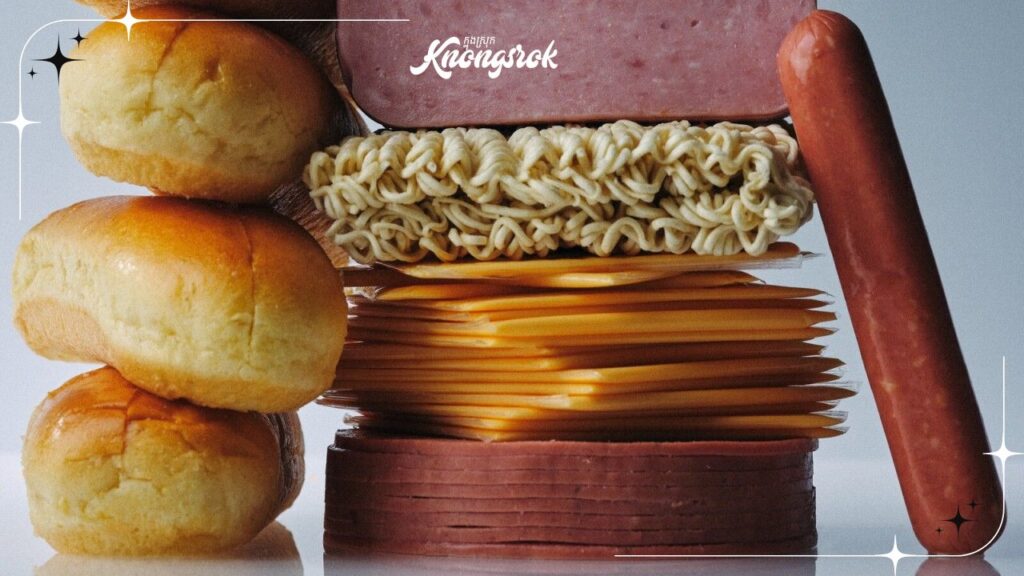
Subhead: From instant noodles to sweetened drinks, convenient calories are everywhere. Here’s how families can eat better—without spending more.
Byline: EZETimes Staff
Reading time: ~8 minutes
Excerpt: Ultra-processed foods (UPFs) are cheap, tasty and convenient—but frequent consumption is quietly pushing up rates of obesity, diabetes and heart disease across Southeast Asia. We explore why UPFs are so addictive, how to spot them on the shelf, and budget-friendly ways to swap them out without giving up flavor.
The supermarket trap
Walk down any store aisle and you’ll find it: a rainbow wall of instant noodles, sweet drinks, packaged snacks, frozen bites, and “ready-to-eat” meals. These products are engineered to be craveable—soft crunch, bright colors, and flavors that light up the brain. They’re also designed to be shelf-stable and cheap to ship, which keeps prices low and margins high.
Nutrition researchers call most of these items ultra-processed foods. They’re not just “processed” like canned tomatoes or plain tofu. UPFs usually contain a long ingredient list you wouldn’t recognize from a home kitchen: emulsifiers, stabilizers, flavor enhancers, industrial sweeteners, and refined starches that the body digests at lightning speed. The result is a quick energy spike, a crash, and the urge to snack again.
Why it matters now
Across Southeast Asia, incomes have risen and urban life has accelerated. Commutes are longer, apartment kitchens are smaller, and the old rhythms of fresh-market shopping are harder to maintain. That’s the ideal environment for UPFs to flourish.
Doctors are worried, and not without reason. Diet patterns high in UPFs are linked with:
- Weight gain and obesity (because they’re calorie-dense yet not very filling)
- Type 2 diabetes (fast sugars + low fiber)
- High blood pressure and cholesterol (hidden sodium and certain fats)
- Poor gut health (additives and lack of diverse fibers)
You don’t need to give up modern life to protect your health—but a few smart shifts make a bigger difference than most people expect.
How to spot an ultra-processed food
Use this three-step label check the next time you shop:
- Ingredient list length: More than 8–10 ingredients, especially ones you don’t cook with at home (maltodextrin, carrageenan, polysorbate 80, high-fructose corn syrup)? Likely a UPF.
- Sugar and sodium: Over 10g sugar per serving or >400mg sodium per serving is a red flag, especially if the serving size is unrealistically small.
- Protein and fiber: Low protein (<5g) and low fiber (<3g) means the food won’t keep you full, setting you up to overeat.
Quick rule: If it’s sweet and convenient and has a long, unfamiliar ingredient list, treat it as an occasional treat, not an everyday staple.
“But healthy is expensive.” Not necessarily.
Here are budget swaps that work in most Southeast Asian cities and towns:
- Breakfast
- Instead of: sugary cereal and flavored milk
- Try: oats cooked with water + sliced banana/seasonal fruit + a spoon of peanut or sesame paste for protein and good fats.
- Why it works: Oats + fruit deliver fiber to flatten blood sugar spikes; nut paste adds satiety.
- Lunchbox/Office
- Instead of: instant noodles + snack drink
- Try: rice or whole-grain mix + boiled eggs or tofu + quick stir-fried greens (morning glory, bok choy, cabbage) with garlic.
- Batch-cook rice and eggs; flash-stir greens in 5 minutes.
- After-school snack
- Instead of: packaged cookies or candy
- Try: corn on the cob, fresh coconut water, roasted peanuts, or plain yogurt with a drizzle of honey.
- Dinner
- Instead of: fried chicken + fries
- Try: herb-rubbed oven chicken (or air-fried) + steamed pumpkin + cucumber salad with lime and fish sauce.
- Flavorful, lower oil, and still kid-friendly.
- Drinks
- Instead of: sweet teas and colas
- Try: iced tea brewed at home (jasmine or oolong) with a squeeze of citrus; sparkling water with lime; or diluted fruit juice (2 parts water : 1 part juice).
The 20-Meal Challenge
Habits change with repetition. Pick any two weeks and aim for 20 home-prepared meals (roughly 70% of your meals). You can still enjoy street food or dine out—just keep UPFs as small add-ons rather than center-stage.
Simple tracking grid (print or note on your phone):
- □ Breakfast (x14)
- □ Lunch (x14)
- □ Dinner (x14)
Tick a box each time your meal is built from basic ingredients: grains/tubers, vegetables, fruit, legumes, eggs, dairy, fish, or fresh meats. If a meal is mostly from a package with long ingredients, leave it unchecked. Aim for 20+ checks by day 14.
How food companies hook us (and how to unhook)
- Bliss point design: Exact combos of sugar/salt/fat make you want more. Counter: Eat protein + fiber early in the day; cravings drop naturally.
- Supersized “value” packs: Larger packs are cheaper per gram—so we eat more. Counter: Buy smaller units or portion into jars/bags as soon as you get home.
- Health halos: “Low-fat,” “baked,” “organic sugar,” or “multigrain” can distract from total sugar or sodium. Counter: Always check the nutrition panel first; ignore front-of-pack buzzwords.
- Convenience cues: Ready-to-eat wins on busy nights. Counter: Keep a 15-minute rescue list on your fridge (e.g., eggs + tomatoes, tuna + corn + rice, tofu + ginger + greens).
A week of no-stress menus (family of 3–4)
Monday
- Lunch: Garlicky fried rice with leftover veggies + eggs
- Dinner: Lime-pepper grilled fish, water spinach, steamed sweet potato
Tuesday
- Lunch: Chicken rice bowls with cucumber, chili-lime sauce
- Dinner: Tofu & mushroom stir-fry, brown rice
Wednesday
- Lunch: Peanut noodles with shredded carrot and cabbage
- Dinner: Pork & ginger soup, jasmine rice, papaya salad
Thursday
- Lunch: Egg omelet with tomato & scallion, rice
- Dinner: Coconut curry pumpkin with chickpeas, roti or rice
Friday
- Lunch: Tuna-corn salad wraps
- Dinner: Lemongrass chicken drumsticks, cucumber salad
Saturday
- Lunch: Market noodles—ask for less oil, more greens
- Dinner: DIY rice bowls: grilled tofu or chicken + pickled veg + herbs
Sunday
- Lunch: Tomato sardine stew, crusty bread or rice
- Dinner: Family hotpot with mushrooms, leafy greens, tofu, thin meats
Prep once, save all week: Boil a dozen eggs, wash and chop greens, cook a big pot of rice or noodles, and portion into containers.
Kids and picky eaters: small wins, big impact
- Offer two vegetables at dinner; let kids choose one.
- Keep fruit at eye level on the table; snacks compete with what we see.
- Pair new flavors with familiar ones (e.g., pumpkin mixed into fried rice).
- Celebrate “one bite rule”: taste first, no pressure to finish.
What to keep—and what to cut back
You don’t need to ban everything. Think in levels:
- Keep freely: Fresh fruit and veg; whole grains; beans; eggs; plain yogurt; nuts and seeds; fresh fish/meats in modest portions.
- Use often but simply processed: Tofu, tempeh, canned fish in water, frozen vegetables, plain noodles, unsweetened dairy, bread with short ingredients.
- Limit to treats: Instant noodles with packets, sweetened drinks, packaged cookies and cakes, flavored chips, “energy” drinks, novelty breakfast cereals, processed meats, and anything with a long list of additives.
A realistic, flexible approach
Food is culture, comfort, and community. Street snacks with friends or instant noodles on a late-night deadline won’t ruin your health. The problem is frequency. If UPFs are showing up every day, swap half of them for quick home options. In two to three weeks, most people notice steadier energy, fewer cravings—and smaller grocery bills.