US federal AI law: a pre-emption draft and a superintelligence ban, but nothing enacted
A federal AI pre-emption draft has no bill number yet, and lawmakers have floated a ban on superintelligence. The US still has no comprehensive federal AI law.

A federal AI pre-emption draft has no bill number yet, and lawmakers have floated a ban on superintelligence. The US still has no comprehensive federal AI law.
The MHRA used a Boston medtech conference to outline lifecycle regulation, sandboxes and closer work with the FDA for AI-enabled medical devices. The UK has also accepted 44 expert recommendations.

Brussels says it has begun enforcing the AI Act, asking OpenAI and Anthropic about security, outside evaluation and monitoring after two incidents involving AI agents this summer.

Attorneys general in eight states filed separate suits against OpenAI on Wednesday. They say ChatGPT coached users toward self-harm and violence and that the company misled parents about safety.

Anthropic’s IPO prospectus warns that advanced AI could pose “catastrophic or existential risks to humanity,” according to Reuters. The risk section is longer than the business section.

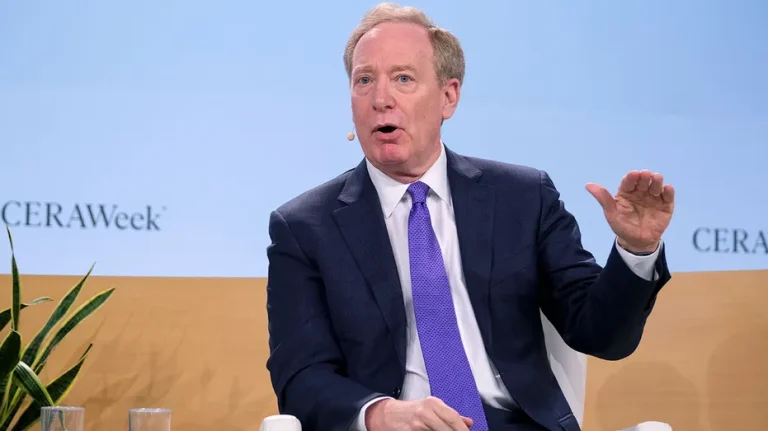
In a BBC interview, Microsoft’s president called for global AI rules, incident reports and an “emergency brake.” His stance differs from President Trump’s preference for self-regulation.

Florida’s attorney general wants a temporary injunction on OpenAI’s model development and on minors’ use of ChatGPT. None of it has been ordered, and the case is still at an early stage.

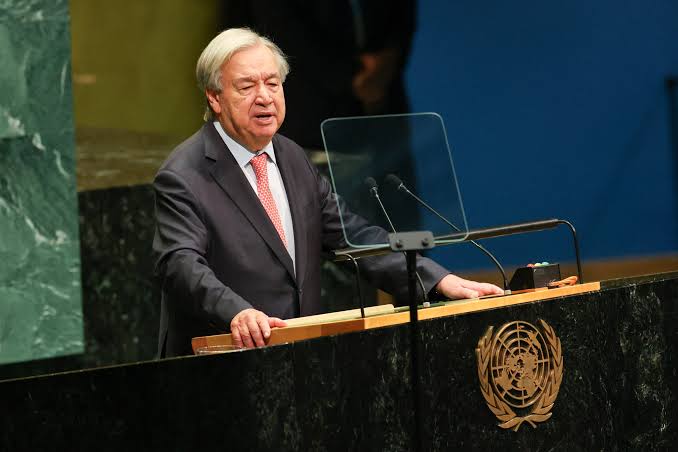
Volker Türk told an Oxford summit that a few firms control powerful AI tools with little public oversight. He urged states to move faster.

The UK financial regulator says AI models with cyber skills are speeding up the discovery of vulnerabilities. Many firms cannot respond at that pace, it found.

A Gibson Dunn briefing says laws on automated employment decisions are multiplying across US states and New York City, while anti-discrimination statutes are being widened to cover AI tools.