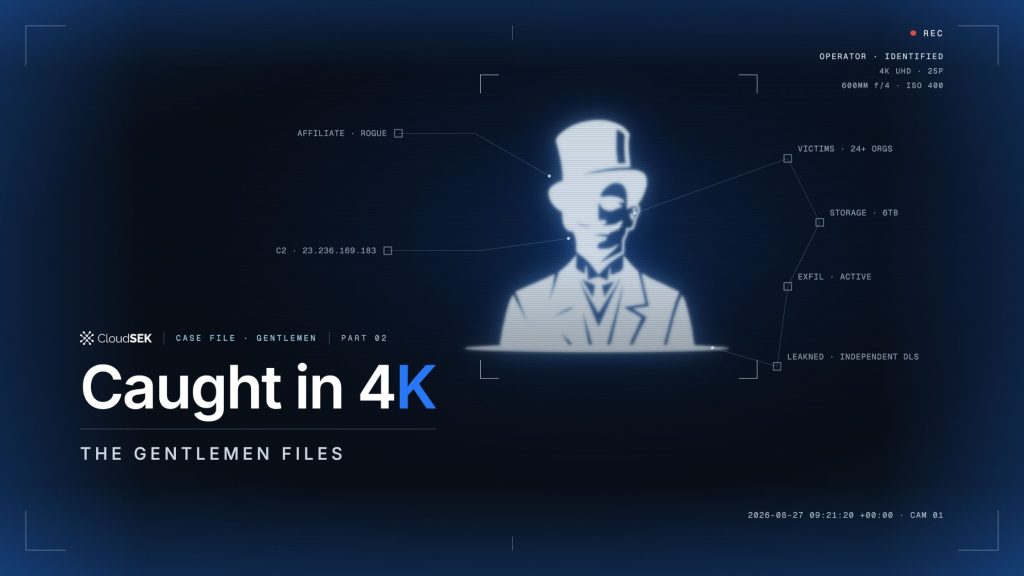
A ransomware affiliate has found a new way to work inside corporate networks: through an AI coding assistant. That is the finding of CloudSEK researchers, as reported by Cybersecurity News.
The operator goes by the name Azazel. According to the report, Azazel worked with the Gentlemen ransomware group and used the assistant to run attacks, steal data and compromise enterprise networks in six countries.
What the researchers found
The report says Azazel combined three things: stolen development credentials, remote command execution and data theft. The AI assistant acted as a channel for running the attacks inside victim environments.
CloudSEK says it identified the operation after finding an exposed directory and misconfigured storage infrastructure. In other words, the attacker’s own setup was left open, and that is how researchers got a view of the activity.
The coverage available so far is brief. It does not name the victim organisations or give a count of affected companies beyond the six countries. It also does not say how much data was taken or whether ransoms were paid. Those details remain unconfirmed, and readers should treat the account as the researchers’ findings rather than a finished investigation.
Why developer credentials matter
Development accounts often carry broad access. They can reach code repositories, cloud services and build systems, and developers frequently run tools that execute commands on their behalf. If an attacker holds those credentials, a coding assistant can become another route to run commands, move through systems and pull out files.
This is a general point about how such tools work, not a detail from the report. The report’s core claim is narrower: a criminal affiliate has adapted an AI coding tool to its attack workflow.
What organisations can do
None of the steps below come from the CloudSEK findings. They are standard security measures that address the weaknesses the report describes.
- Protect developer accounts. Require multi-factor authentication, preferably with hardware keys or app-based prompts, for code repositories, cloud consoles and AI tools.
- Rotate exposed secrets. Tokens and API keys left in code, chat logs or configuration files should be treated as compromised and replaced.
- Limit what assistants can do. Restrict command execution and file access for AI coding tools to what the work needs. Ask for approval before commands run.
- Check your own storage. Misconfigured buckets and open directories are a common cause of leaks. Review public access settings regularly.
- Keep offline backups. Test restoring them, so a ransomware attack does not leave you with no way to recover.
- Watch for unusual activity. Alerts for large data transfers, new admin accounts and logins from unfamiliar locations can catch an intrusion early.
What individual users should take from it
Most readers do not run enterprise networks, but the same basics apply. Use a password manager, turn on multi-factor authentication for work and personal accounts, and be wary of browser extensions and plug-ins that ask for broad permissions. If you use an AI assistant that can act on your files or accounts, check what access you have granted and remove anything you no longer need.
If your employer tells you a credential was exposed, change the password promptly and report anything odd, such as unexpected login alerts, to your IT team.
What to watch
The Gentlemen group and its affiliates are likely to remain a focus for security firms. Further technical detail from CloudSEK, or from affected companies, would clarify how the assistant was used and which products were involved. For now, the report does not name the tool, and this article does not guess at it.
Ransomware affiliates have long borrowed legitimate software to blend in with normal activity. This case suggests AI assistants are now part of that toolkit, which gives defenders another system to monitor.