The access road had grown over. The project sign had fallen and lay buried in leaf litter. An expensive forestry experiment in Victoria, Australia, had been forgotten. But the trees kept growing, and what researchers found when they went back has landed in a long-running argument about how to manage forests.
The findings, written up by the research team in The Conversation and republished by ScienceDaily on 4 October, concern mountain ash forest at Tanjil Bren in the state’s Central Highlands. According to the researchers, heavily thinned stands grew unusually large trees and recovered enough carbon to match or exceed unharvested forest.
An experiment from the 1980s
In the mid-1980s the Victorian government restructured its timber industry. According to the authors, it spent the equivalent of about A$26 million today to test alternatives to clear-cutting. The Silvicultural Systems Project ran at Tanjil Bren and a second site in East Gippsland.
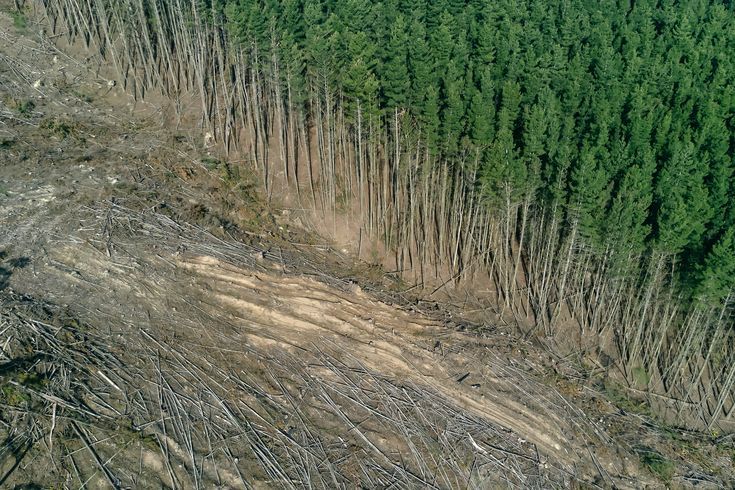
The trial compared several approaches. Large clearfells were 250 to 350 metres wide. Small patch clearfells were 50 to 140 metres wide. In heavy thinning, 50 to 70 per cent of trees were cut. Large areas were left unharvested as a benchmark.
By the early 2000s the early results were clear, the authors write. Mountain ash regenerated best on clear-cut sites. Where tall canopy trees were kept, or the cleared patches were small, common understory plants such as acacia dominated. The results were published, and then the project faded from view.
What the thinned forest looks like now
The researchers say the original findings still held three decades on. Mountain ash in large cleared patches was vigorous and abundant.
The thinned plots were the surprise. The trees left standing were only about 80 years old, yet the largest averaged well over a metre across at chest height. Some exceeded 1.5 metres. Phys.org’s republication of the article says these trees were about 20 per cent wider than those in unharvested control areas.
The explanation offered is simple: with fewer neighbours, the remaining trees had more space and resources to grow.
Carbon and wildlife
Carbon is the point likely to draw the most attention. The summary says heavily thinned forest recovered the carbon removed during harvesting and matched or exceeded untouched areas. Wood Central’s version adds that the thinned stands also improved habitat for Leadbeater’s possum, a critically important species in these forests. That habitat claim comes from the researchers’ own account, and I found no independent assessment of it.
The authors conclude that carefully managed thinning could support timber production, wildlife habitat and carbon storage at once. They stress it as a possibility, not a settled prescription.
Limits worth keeping in mind
This is one experiment at one main site, in one forest type. Mountain ash is adapted to regrow after catastrophic fire, a point foresters have long used to defend clear-cutting. Conservationists have argued since the 1970s that clear-cutting destroys habitat for rare species and lowers ecological value. This study does not settle that dispute, and it does not say thinning should replace protection.
Climate is another unknown. A separate peer-reviewed analysis of long-term Victorian experiments estimated that a 3°C temperature rise by 2080 could cut tree density and carbon stock in these forests by 24 per cent. Results from trees grown under past conditions may not carry over to a hotter future.
The authors draw one lesson that is hard to dispute: long-term field experiments are irreplaceable. Australia’s forests, they say, hold other forgotten trials that could teach as much. This one needed only a rediscovered sign and some patience.