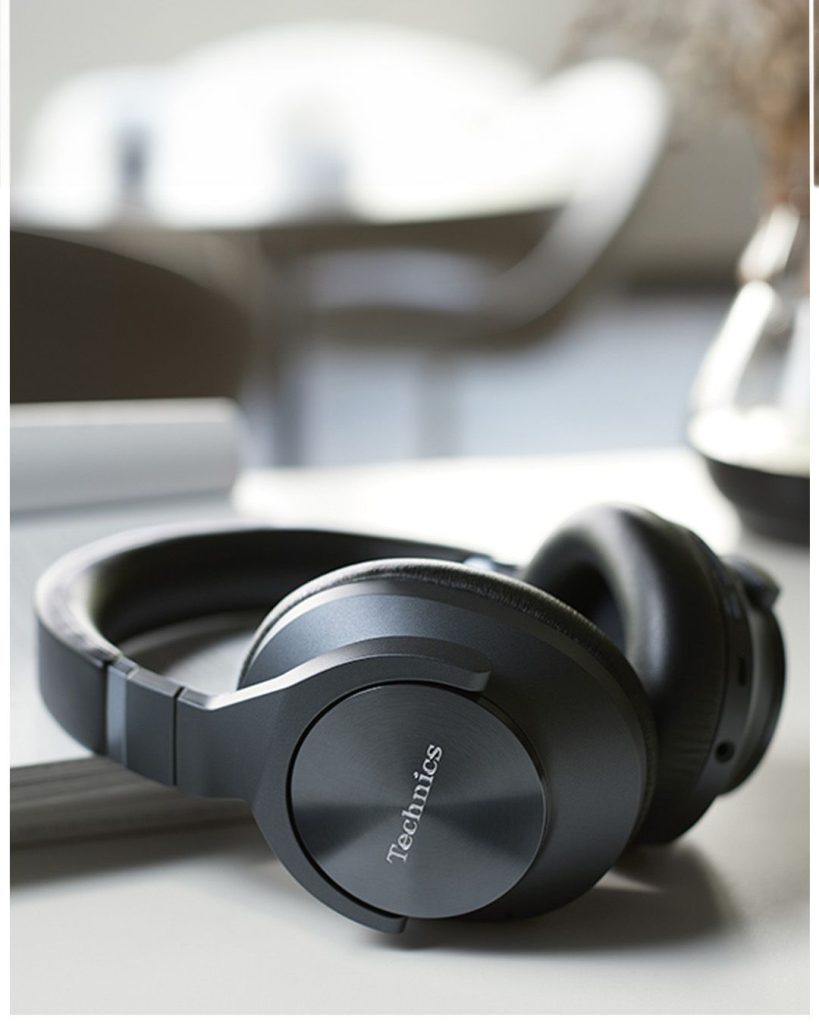
Technics’ newest flagship wireless headphones, the EAH-A1000, are among the more talked-about audio releases of 2026. This article summarises the specifications, pricing and published verdicts from independent reviewers. Ezetimes has not tested the headphones itself.
Price and positioning
Gear Patrol’s roundup of 2026 gadget releases describes the EAH-A1000 as the Japanese company’s new flagship noise-cancelling pair. It lists the price at $450. The reviewer site eCoustics gives a manufacturer’s suggested price of $449. It says that places the headphones directly against the established leaders in the premium category, including the Bose QuietComfort Ultra and Sony WH-1000XM6. What Hi-Fi? tested them at £399 / $449 / AU$699.
Key features
According to Gear Patrol, the main selling point is a set of newly developed 40mm “magnetic fluid” drivers. The outlet says Technics uses related technology in some of its hi-fi speakers, including a $13,500 flagship model. Other points reported across the reviews:
- Codec support: LDAC is supported for high-resolution Bluetooth streaming, and lossless playback is available over a wired connection. PopSci says it used USB-C for lossless listening and Bluetooth 6.0 with LDAC for the tuned ANC experience.
- Frequency response: PopSci cites a range of 20Hz to 40kHz.
- Noise cancelling: eCoustics describes Technics’ latest adaptive system, which aims to handle changing sounds such as traffic and voices as well as steady noise. An ambient mode is included.
- Battery life: eCoustics reports up to 45 hours with noise cancelling on using AAC, and up to 90 hours with it off. T3 cites about 40 hours with LDAC at its best quality setting.
- Auracast: eCoustics says it used the feature for a “silent disco” at a pre-release press event in Tokyo.
- Design: Gear Patrol says the headphones fold flat and compact for travel, and they come with a carrying case and a cable.
What reviewers say
T3 gave the headphones a five-star verdict. It praised the sound for suiting many genres, called the noise cancelling impressive and liked the always-listening adaptive mode. Its listed drawbacks were that the earcups protrude noticeably from the head, the control buttons feel a little plasticky, and the price point is crowded with competitors. T3 also said the headphones will not suit everyone, and it framed them as a niche option that may work best for home listening, though light and ANC-capable enough for use on the move.
What Hi-Fi? was more measured, saying the headphones come close to troubling the class leaders. It praised a clean, spacious and smooth sound, a comfortable foldable design, strong battery life and clear call quality. It also described the tonal balance as appealing but slightly polite, and said the slider control could feel more definite. The reviewers found the fit comfortable across different head sizes, including for glasses wearers. They noted that the larger earcups stick out more than those on the Sony XM6 or the Sonos Ace Ultra. They said the comfort made this matter less once the headphones were on.
The What Hi-Fi? review also contrasted the new model with its predecessor, the EAH-A800, which it called blocky. By comparison it called the A1000 sleeker and more elegant, with metal accents and generous padding on the headband and earcups.
PopSci published a first-look piece after a demonstration. It described the sound as spacious and realistic. It said the headphones kept vocal texture even over Apple’s AAC codec on an iPhone, and that wired lossless USB-C playback sharpened bass and fine detail further. This was a demo-based impression rather than a full review.
Points of agreement and difference
The published coverage agrees on several things. Sound quality is the headline strength, battery life is strong, and the noise cancelling is effective. It is also consistent that the earcups are larger than those of rivals. The sources differ on tone. T3 found the sound big and impressive, while What Hi-Fi? called it refined but slightly restrained. The star ratings and wording suggest the sound will appeal to some listeners more than others. Reviewers also used different codecs and source devices, so battery figures vary between outlets and depend on the settings used.
Who it may suit
Going by the published reviews, the EAH-A1000 looks best suited to listeners who put sound quality first and are happy with a larger-looking headphone. That includes people who want wired lossless playback as an option. Buyers who want the slimmest travel profile might prefer the Sony or Sonos designs that reviewers used as comparisons. At $449, the Technics sits at the top of the market. Readers should weigh these early verdicts against their own preferences, ideally by trying a pair before buying.
Bottom line
The EAH-A1000 gives Technics a credible entry in the flagship noise-cancelling field. Reviews so far are positive and focus on audio quality and endurance, with the bulk of the earcups the most commonly mentioned compromise. Further independent measurements and long-term use reports will show how it fares against the Bose and Sony models it targets.