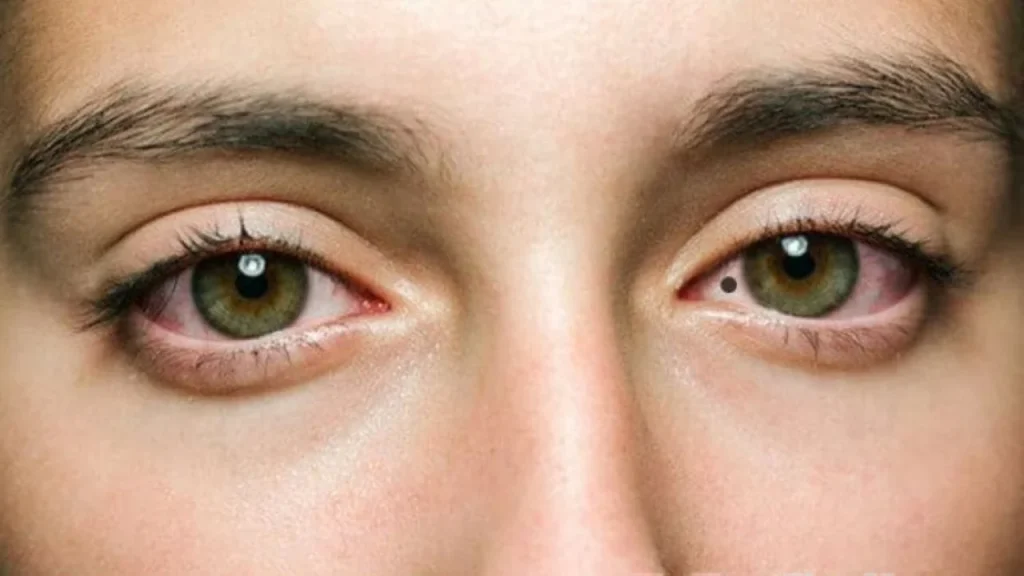
Western mole symbolism is older than it looks, but it never became as systematic as Chinese face reading. In Europe it mixed folk fortune-telling, fashion, witchcraft panic, and later Hollywood glamour.
1. Moleosophy: reading moles as fate
In the West this practice is called moleosophy or moleomancy. A short Greek manual survives under the name of the seer Melampus. It works by simple analogy: a mark on the lips means appetite; a mark on the nose means strong desire.
By the 1600s–1800s, English and French chapbooks turned this into popular fortune-telling. Readers judged:
- Size: larger mole = stronger luck or stronger trouble
- Shape: round = good; oblong = mixed; angular = mixed good and bad
- Color: deeper color = stronger effect
- Hair: a few long hairs = lucky; a very hairy mole = misfortune
- Side: right side usually better than left
2. Common Western face meanings
These come mainly from 17th–19th century English fortune books, not from one official system.
| Place | Typical Western reading |
|---|---|
| Right forehead / temple | Sudden wealth and honor |
| Left forehead | Disappointment, worry, or poverty |
| Center forehead | Mixed: some books say gossip and a hard temper; honey-colored moles here mean being well loved |
| Right eyebrow | Fast marriage to a good partner |
| Outer eye corner | Steady character, but an old warning of violent death |
| Cheek | Ordinary luck: not rich, not poor; sociable or merely “average” |
| Nose | Travel, boldness, and success in ventures |
| Lip / above the mouth | Appetite, talkativeness, love of pleasure; also “you will not lack food” |
| Chin | Amiable nature, travel, later wealth |
| Ear | Love and respect; wealth |
| Throat / neck | Wealth, sometimes delayed |
Old English folk sayings also treated a mole above the lip as a wealth sign, and a mole on the left cheek as lucky. A rhyme said: “A mole above yer glove, ye’ll marry the man you love.”
3. Beauty marks, not destiny maps
This is the biggest Western difference.
In East Asia, a facial mole is often a life-palace sign. In the West, from the Renaissance onward, it became a beauty feature.
- Venus was said to have a beauty mark, so a small dark spot could make a face more attractive, not less.
- In 16th–18th century France and England, people wore fake patches called mouches (“flies”) of silk or velvet.
- Placement was social code:
- Cheek: flirtation
- Near the mouth: discretion or sensuality
- Left vs right: in 18th-century Britain, even political sides (Tory / Whig) were jokingly linked to patch placement.
Later Hollywood made the same idea glamorous: Marilyn Monroe, Cindy Crawford, Madonna. The Western word “beauty mark” itself already tells you the main meaning: allure, not fate.
4. The dark side: witch marks
Medieval and early modern Europe also feared moles.
A visible mole, wart, or “teat” could be read as a witch’s mark — a sign the devil had touched the body. That is why Western art later gave witches exaggerated facial moles. This is almost the opposite of the later “beauty spot.”
5. How Western symbolism differs from East Asian reading
- Less palace-based. The West rarely maps moles onto career years, marriage palaces, or wealth halls.
- More analogical. Nose = desire, mouth = appetite, heart area = passion or wickedness.
- Right/left still matters, but it is simpler: right = favor, left = setback.
- Fashion over destiny. From the 1700s onward, a face mole is more often “charming” than “fated.”
- The animal mole is a separate symbol. In British and European folklore the burrowing animal stands for hidden things, earth, weather, and sometimes death omens. That is not about facial moles.
Short takeaway
Western tradition never built one official “face mole map.” It kept three overlapping ideas:
- Folk omen — a mole can hint at marriage, money, travel, or trouble.
- Moral or magical mark — from Venus’s beauty to a suspected witch’s sign.
- Style — a well-placed mole makes the face memorable.