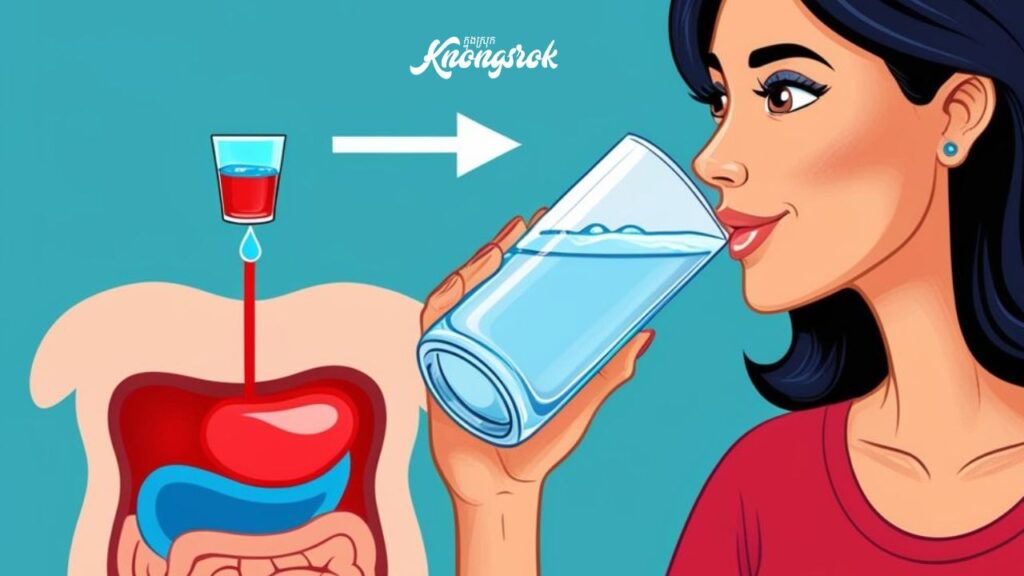
Shocking Secret!!! Drinking Lots of Water is Good, But You Shouldn’t Drink Water in These 9 Situations!!!
Drinking plenty of water is essential for health, hydration, and overall well-being, helping with everything from digestion to temperature regulation. However, there are specific situations where consuming too much water—or water at the wrong time—can lead to discomfort, health risks, or even serious issues like hyponatremia (water intoxication). Based on medical insights and expert recommendations, here are 9 key situations where it’s best to hold off on drinking water. These tips can help you stay safe while maximizing the benefits of hydration.
1. Right After a Large Meal
Drinking a lot of water immediately after eating can dilute stomach acids and digestive enzymes, slowing down digestion and causing bloating, indigestion, or discomfort. Wait 30-45 minutes after meals before sipping water to let your body process food properly.
2. Before or During Bedtime
Gulping water close to bedtime can fill your bladder, leading to frequent nighttime bathroom trips that disrupt sleep. This is especially problematic if you suffer from nocturia. Instead, hydrate earlier in the day and reduce intake 2 hours before bed.
3. During Intense Exercise Without Electrolytes
While hydration is crucial during workouts, chugging plain water excessively without replacing electrolytes (lost through sweat) can dilute sodium levels in your blood, risking hyponatremia. For sessions over 60 minutes, opt for sports drinks or electrolyte-enhanced water.
4. If You’re Already Over-Hydrated (Clear Urine All Day)
Frequent clear urine every 10-15 minutes signals you’re drinking too much, which can flush out essential minerals like sodium and potassium. This imbalance may cause fatigue, headaches, or swelling. Aim for pale yellow urine as a hydration gauge, not crystal clear.
5. When Suffering from Severe Kidney Issues
For those with chronic kidney disease or reduced kidney function, excessive water can overload the kidneys, leading to fluid retention, high blood pressure, or worsening edema. Consult a doctor for personalized fluid limits—it’s not one-size-fits-all.
6. Immediately After Waking Up (Without Moderation)
While a glass of water upon waking is great for rehydration after overnight fasting, chugging a gallon can shock your system, potentially causing nausea or electrolyte shifts. Start with 1-2 glasses sipped slowly to gently kickstart metabolism.
7. If You Have Heart Failure or Edema
In conditions like congestive heart failure, too much water can strain the heart and cause fluid buildup in the lungs or legs. Doctors often restrict fluids to prevent complications—always follow medical advice over general guidelines.
8. During Acute Vomiting or Diarrhea (Without Guidance)
If you’re losing fluids rapidly from illness, plain water might not suffice and could worsen electrolyte loss. Sip oral rehydration solutions instead to replace salts and sugars. Seek medical help if symptoms persist.
9. When Taking Certain Medications (Like Diuretics)
Medications such as diuretics increase urine output, and pairing them with excessive water can lead to dangerous dehydration or mineral imbalances. Check with your pharmacist—some meds require specific timing for fluid intake.
Conclusion
Water is vital—aim for 8-10 glasses a day based on your activity, climate, and health—but timing and context matter to avoid pitfalls like digestive woes or electrolyte issues. Listen to your body, consult a healthcare pro for personalized advice, and remember: balance is key. If you’re experiencing unusual symptoms, see a doctor promptly. Stay hydrated wisely!
If you’d like more details on any point or tips for better hydration habits, just let me know!
Hydration Tips, Water Intake Mistakes, Health Risks, Digestive Health, Electrolyte Balance, Kidney Health, Exercise Hydration, Sleep Disruption, Medical Conditions