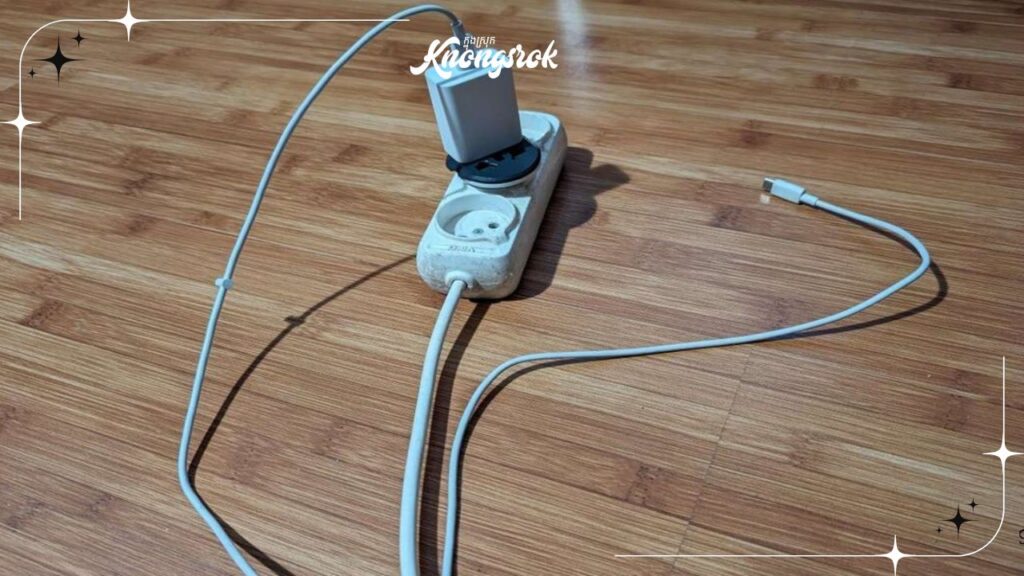
In our fast-paced digital world, phone chargers have become as essential as the devices they power. Many of us plug them in and leave them connected to outlets even when not in use, thinking it’s harmless convenience. However, experts and safety guidelines suggest otherwise. The simple act of unplugging your charger when it’s not connected to your phone can prevent potential risks and save money. This article explores the key reasons behind this advice, backed by insights from electrical safety and energy efficiency perspectives.
The Fire Hazard Risk
One of the primary concerns with leaving a charger plugged in without a device is the potential for overheating, which could lead to a fire. Chargers contain transformers and other components that generate heat during operation. Even in standby mode, a faulty or low-quality charger might overheat if there’s a power surge, dust buildup, or internal degradation. While modern chargers are designed with safety features like automatic shut-off, not all are created equal—especially cheap or counterfeit ones. In rare but documented cases, unattended chargers have sparked fires, particularly if they’re damaged or exposed to flammable materials. To minimize this risk, always unplug chargers after use and inspect them regularly for signs of wear.
Wasted Energy and Increased Electricity Bills
Even when not actively charging a phone, a plugged-in charger draws a small amount of electricity—often called “phantom” or “vampire” power. This standby consumption might seem negligible for one device, but it adds up over time, especially in households with multiple chargers. Studies estimate that vampire energy from electronics like chargers can account for up to 10% of a home’s electricity usage. By unplugging, you could reduce your monthly bill by a few dollars, and on a larger scale, this contributes to energy conservation. It’s a small habit with tangible financial benefits.
Environmental Impact
Beyond personal costs, unnecessary energy draw from idle chargers has broader implications. Phantom power contributes to higher carbon emissions from power plants, exacerbating climate change. If millions of people leave chargers plugged in worldwide, the cumulative energy waste is equivalent to powering entire cities. Opting to unplug supports sustainability efforts without sacrificing convenience—simply make it a routine to disconnect after charging.
Potential Long-Term Damage to the Charger
Constant exposure to electricity can wear down a charger’s internal components over time, shortening its lifespan. Heat buildup in standby mode accelerates degradation, leading to reduced efficiency or failure. While high-quality chargers from reputable brands are more resilient, prolonged plugging-in increases the odds of issues like frayed cords or malfunctioning circuits. Unplugging extends the device’s life, saving you from frequent replacements.
Counterarguments and Modern Realities
It’s worth noting that some sources argue the risks are overstated for certified chargers. Advances in technology have made many chargers safer, with built-in protections against overcurrent and overheating. However, this doesn’t eliminate the energy waste aspect, and caution is still advised, especially with older or third-party chargers. The consensus is that while the probability of disaster is low, the preventive step of unplugging is effortless and worthwhile.
Conclusion: A Simple Habit for Safety and Savings
In summary, never leaving your charger connected to an outlet without your phone is a smart practice that addresses fire risks, cuts energy costs, reduces environmental harm, and preserves your equipment. Start by auditing your home for idle chargers and consider using smart plugs or power strips for easier management. By adopting this habit, you’re not only protecting your household but also contributing to a more efficient world. Remember, a little unplugging goes a long way!