The Supreme Court has put a dispute over political advertising rates on hold until after the midterm elections. The details below are limited. My search tool stopped working before I could read the full articles, so this report relies on headlines and publication details only.
What the headlines say
Roll Call reported on 14 October that the political ad rates case is “frozen through midterms.” The Carolina Journal said the court extended a stay of a ruling from the 4th Circuit in an election ad rate dispute. Together, those two reports suggest the lower court’s decision will not take effect before voters go to the polls.
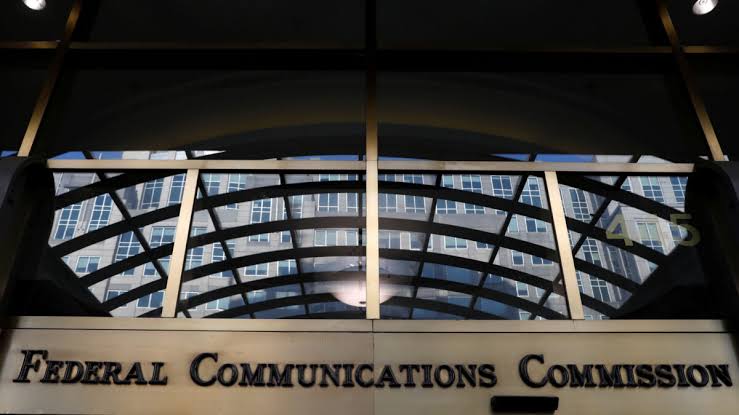
The dispute involves the Federal Communications Commission and rules on the rates charged for campaign ads. The Washington Examiner’s headline described the Supreme Court as reversing a ruling in the FCC fight and as favoring the campaign ad rate rules. Other outlets framed the outcome differently. One headline said the Trump administration won a 7-2 ruling. Another said the court sided with Republicans.
These accounts do not obviously agree. A stay that freezes a case is not the same as a final ruling on the merits, and I could not confirm which description is accurate. The 7-2 vote has not been verified against a court document.
What is not confirmed
I could not read the Supreme Court’s order or any opinion. So I cannot say which rules are at issue, which parties brought the case, or what reasons the justices gave. I also cannot say whether the court acted on an emergency application or on a full appeal.
Readers should treat the characterizations above as unverified until the court’s own documents are checked. This report will need updating once the order and any opinions are available.
Why the timing matters
Ad rates matter in a campaign. Candidates generally pay different prices than commercial advertisers, and any change to those rules affects how much broadcast time a campaign can buy. With the midterms about three weeks away, a freeze means the current arrangements most likely stay in place for this election.
Supporters of the rules and their critics will likely read the outcome differently. Both sides have an interest in how the decision is described, which may explain the split in headlines.
Check the Supreme Court’s order and the reports from Roll Call and the Carolina Journal for the exact terms.