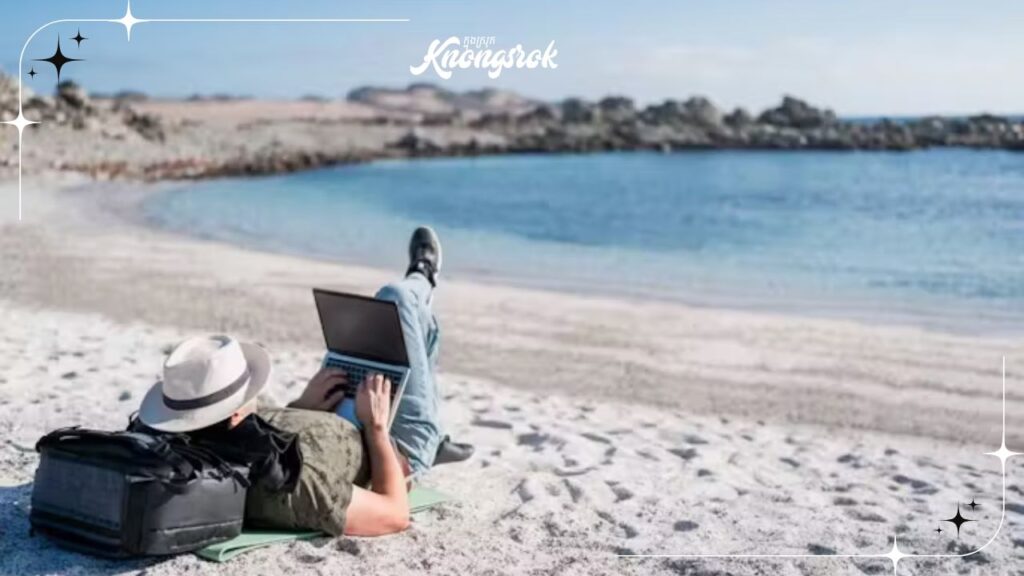
A decade ago, running a business while lounging on a beach in Bali was a fantasy reserved for tech billionaires and travel bloggers. Today, it’s reality for a growing class of digital nomads and remote entrepreneurs building global businesses from coffee shops, co-working spaces, and even camper vans.
The traditional model of business—headquarters, suits, fixed schedules—is being challenged by a new wave of entrepreneurs who value freedom, flexibility, and technology. These innovators are not just freelancing—they’re building remote empires.
The Digital Nomad Lifestyle: Work from Anywhere
At the heart of this movement is the digital nomad. A digital nomad is someone who earns a living online while traveling the world. They’re not tied to a single location, office, or even time zone. Instead, they run their lives and businesses entirely from laptops and Wi-Fi hotspots.
In 2024, millions identify as digital nomads, supported by platforms like Upwork, Fiverr, YouTube, Shopify, and Substack. What began as a way to escape the 9-to-5 grind has evolved into a full-fledged business model.
Remote Empires: From Freelancers to Founders
Some nomads work solo as copywriters, designers, or developers. Others scale up—building agencies, e-commerce stores, online schools, and SaaS startups. A solo video editor might turn into a content agency. A travel blogger might evolve into a lifestyle brand with digital products and paid memberships.
The most successful remote entrepreneurs don’t just survive while traveling—they thrive, earning six or even seven figures annually with lean remote teams and global clients. They’re building what we call “remote empires”: scalable, online-first businesses designed to operate across borders.
Popular Business Models for Online Entrepreneurs
Here are the most common (and scalable) business models in the remote world:
-
E-commerce & Dropshipping: Running online stores via Shopify, Amazon FBA, or independent websites. Minimal overhead, with global fulfillment.
-
SaaS (Software as a Service): Creating subscription-based tools and apps for niche audiences.
-
Content Creation: Building audiences on YouTube, TikTok, podcasts, and newsletters—then monetizing through ads, merch, and sponsorships.
-
Online Courses & Coaching: Teaching skills or offering expertise on platforms like Teachable or Kajabi.
-
Digital Agencies: Offering marketing, SEO, design, or automation services with remote teams.
-
Affiliate Marketing: Recommending products and earning commissions through blogs or niche sites.
The common thread? Low fixed costs, global reach, and digital-first operation.
Tools That Make It Possible
The success of remote businesses depends on a powerful tech stack. These tools allow entrepreneurs to manage clients, teams, sales, and marketing from anywhere:
-
Slack & Zoom: For team communication and client calls.
-
Trello, Asana, or Notion: For project management.
-
Stripe, PayPal, Wise: For handling international payments.
-
Google Workspace: For docs, storage, and collaboration.
-
ChatGPT & AI tools: For writing, research, coding, customer support, and idea generation.
Add to that VPNs, cloud storage, and mobile-friendly dashboards—and a laptop becomes a global command center.
Challenges of the Remote Lifestyle
It’s not all palm trees and productivity. Digital nomads and remote entrepreneurs face real challenges:
-
Visa and Residency Issues: Many hop between countries or apply for new “Digital Nomad Visas” that some governments now offer.
-
Time Zone Juggling: Coordinating with clients and teams across continents can be exhausting.
-
Burnout & Isolation: Without fixed routines, it’s easy to overwork or feel disconnected.
-
Unstable Internet: A single bad Wi-Fi connection can derail a client call or product launch.
-
Growing Competition: As more people enter the space, standing out requires creativity and marketing skills.
Still, for many, the benefits of autonomy outweigh the drawbacks.
The Future of Work Is Already Here
COVID-19 accelerated remote work adoption worldwide. What began as a pandemic necessity became a permanent shift for many businesses. Even large companies now operate hybrid or remote-first teams, drawing inspiration from the lean, global models pioneered by digital entrepreneurs.
And while not everyone will become a nomadic founder, the lessons of remote empires—lean operations, global talent, and digital tools—are changing how businesses of all sizes operate.
Governments are taking notice too. Countries like Portugal, Estonia, and Thailand have introduced tax-friendly visa programs specifically to attract digital entrepreneurs.
Conclusion: A Borderless Business Revolution
The rise of digital nomads and remote empires marks a new era in business—one where value is measured not by office space or commute hours, but by output, creativity, and freedom.
These entrepreneurs aren’t just changing where we work—they’re redefining what business looks like. In their world, the office is optional, the customer is global, and the business is borderless.
The revolution isn’t coming. It’s already here—built one laptop at a time.