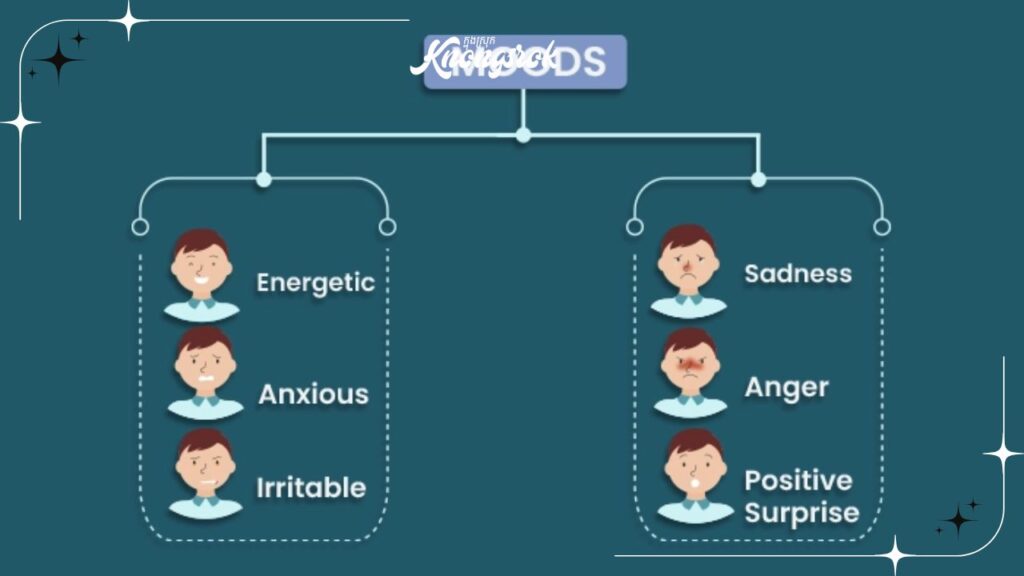
That’s an interesting saying I’ve seen floating around on social media! While it captures a poetic idea—that unexplained low moods might stem from longing for someone—psychology doesn’t actually back this up as a definitive rule. It’s more of a popular meme or oversimplification rather than established science. In reality, sudden or unexplained bad moods (often called mood swings or low mood episodes) can have a wide range of causes, from biological factors to everyday stressors. Missing someone could be one possibility, especially if it’s tied to grief, loneliness, or attachment issues, but it’s far from the only explanation. Let me break it down based on what psychological research and experts say.
Common Psychological Reasons for Unexplained Bad Moods
Psychology views moods as complex interactions between your brain chemistry, thoughts, environment, and experiences. Here are some evidence-based factors that could lead to feeling “off” without an obvious trigger:
- Hormonal or Biological Fluctuations: Your brain’s neurotransmitters (like serotonin and dopamine) play a big role in regulating mood. Imbalances can happen due to things like menstrual cycles, menopause, thyroid issues, or even low blood sugar from skipping meals. For example, conditions like diabetes or migraines can cause sudden mood dips.
- Sleep and Lifestyle Habits: Poor sleep is a huge culprit— even one bad night can make you irritable or down the next day without you realizing why. Similarly, lack of exercise, dehydration, or a nutrient-poor diet (e.g., too much caffeine or sugar crashes) can sneakily tank your mood.
- Stress and Subconscious Factors: Sometimes, unresolved stress from work, relationships, or even environmental stuff like bad weather or noise pollution builds up without you noticing. Your brain might be processing something in the background, leading to what feels like a “random” low mood. This is common in conditions like silent depression, where symptoms show up as fatigue, irritability, or restlessness rather than obvious sadness.
- Mental Health Conditions: If bad moods persist, they could signal something like depression, anxiety, or bipolar disorder, where episodes aren’t always tied to a clear event. For instance, clinical depression often involves feeling hopeless or empty for weeks, and it affects thinking, sleep, and energy levels. Mood disorders aren’t just about “missing someone”—they’re influenced by genetics, brain circuits, and life experiences.
- External or Seasonal Influences: Things like seasonal affective disorder (SAD) from less sunlight in winter, or even allergens and pollutants, can trigger low moods without a personal “reason.” Social isolation might play in here too, but again, it’s not always about missing a specific person—it could be a general need for connection.
What to Do If You’re Feeling This Way
If your mood dips often without explanation, it’s worth tracking it (e.g., in a journal) to spot patterns—maybe it’s tied to sleep, diet, or stress. Quick tips from psychology to bounce back:
- Get moving: Even a short walk in nature can boost endorphins and Vitamin D, lifting your mood.
- Connect with others: Talk it out—social interaction is key for mental health.
- Practice self-care: Listen to uplifting music, laugh (even if forced at first), or try mindfulness to stay present.
- Seek help if it lingers: If low moods last over two weeks or interfere with daily life, chat with a doctor or therapist. Things like cognitive behavioral therapy (CBT) or medication can make a big difference.
In short, while missing someone can sour your mood, psychology points to a much broader picture. If this resonates with you personally, feel free to share more—I’m here to chat!